
Surgical Oncology
Surgical Oncology Treatment
Surgical Oncology is a specialized area of cancer care that uses surgery to diagnose, remove or treat cancer and certain abnormal growths. Depending on the type, location and stage of cancer, surgery may be used as the main treatment or combined with other treatments such as chemotherapy or radiation therapy. At CareNest Multispeciality Hospital, our experienced medical team provides personalized surgical care based on each patient's condition and treatment needs.
Our Surgical Oncology services include Breast Cancer Surgery, Head & Neck Cancer Surgery, and Gastrointestinal & Colorectal Cancer Surgery. Before recommending surgery, our doctors carefully evaluate the patient's health, test results and cancer characteristics and explain the available treatment options.
We focus on patient safety, clear communication and coordinated cancer care, supporting patients and their families throughout diagnosis, treatment and recovery.
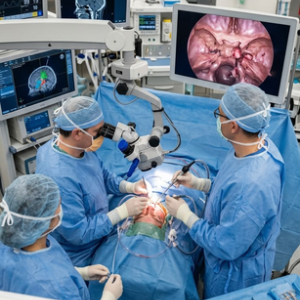
Breast cancer surgery is a surgical treatment used to remove cancerous tissue from the breast. Depending on the size, location and characteristics of the cancer, as well as the patient's overall health, different surgical approaches may be considered. Surgery may involve removing only the cancerous area while preserving most of the breast, or removing the entire breast when medically necessary. Lymph nodes may also be evaluated or removed as part of cancer treatment.
At CareNest Multispeciality Hospital, our experienced medical team carefully evaluates each patient before recommending a surgical approach. Doctors consider diagnostic reports, imaging, biopsy results and other important factors while planning treatment. The surgical plan and possible additional treatments are explained clearly to the patient and family.
Depending on the individual case, breast cancer surgery may be combined with treatments such as chemotherapy, radiation therapy or hormone-based treatment. Our team focuses on safe surgical care, personalized treatment planning and compassionate support throughout the treatment and recovery journey.


Head and neck cancer surgery involves the surgical treatment of cancers affecting areas such as the mouth, throat, tongue, salivary glands and other structures of the head and neck. The type of surgery depends on the location, size and extent of the cancer and the patient's overall health. Surgery may be used to remove the cancerous tissue and, when required, nearby lymph nodes.
At CareNest Multispeciality Hospital, our experienced medical team evaluates each patient carefully using clinical examination, imaging, biopsy results and other relevant investigations. Based on the findings, doctors develop an individualized treatment plan and explain the procedure, possible risks, recovery and other available treatment options. Depending on the type and stage of cancer, surgery may be combined with radiation therapy, chemotherapy or other cancer treatments.
Some patients may also require supportive or reconstructive care to help with functions such as eating, speaking or swallowing. CareNest focuses on careful surgical planning, patient safety, coordinated treatment and compassionate support for patients and their families throughout cancer care.
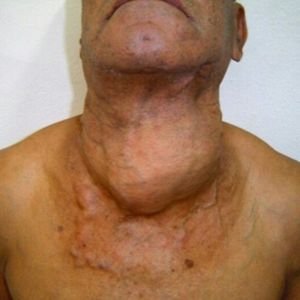

Gastrointestinal and colorectal cancer surgery is used to treat cancers affecting the digestive system, including areas such as the stomach, small intestine, colon and rectum. Surgery may involve removing the cancerous growth along with a surrounding area of healthy tissue and, when necessary, nearby lymph nodes. The exact procedure depends on the location, size and extent of the cancer.
At CareNest Multispeciality Hospital, our experienced medical team evaluates patients using medical history, physical examination, imaging, biopsy results and other appropriate investigations. Based on the diagnosis, doctors discuss the most suitable surgical approach and explain the treatment process to the patient and family. Depending on the individual case, surgery may be performed using open or minimally invasive techniques.
Additional treatments such as chemotherapy or radiation therapy may also be recommended depending on the type and stage of cancer. Our team focuses on personalized treatment planning, safe surgical care, coordinated cancer management and supportive recovery care, helping patients and families understand each stage of their treatment journey.
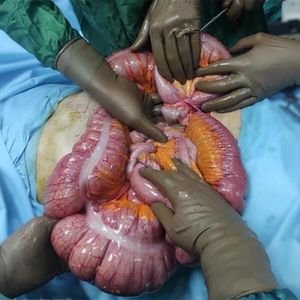

Breast Cancer Surgery
Breast cancer surgery is a surgical treatment used to remove cancerous tissue from the breast. Depending on the size, location and characteristics of the cancer, as well as the patient's overall health, different surgical approaches may be considered. Surgery may involve removing only the cancerous area while preserving most of the breast, or removing the entire breast when medically necessary. Lymph nodes may also be evaluated or removed as part of cancer treatment.
At CareNest Multispeciality Hospital, our experienced medical team carefully evaluates each patient before recommending a surgical approach. Doctors consider diagnostic reports, imaging, biopsy results and other important factors while planning treatment. The surgical plan and possible additional treatments are explained clearly to the patient and family.
Depending on the individual case, breast cancer surgery may be combined with treatments such as chemotherapy, radiation therapy or hormone-based treatment. Our team focuses on safe surgical care, personalized treatment planning and compassionate support throughout the treatment and recovery journey.

Head & Neck Cancer Surgery
Head and neck cancer surgery involves the surgical treatment of cancers affecting areas such as the mouth, throat, tongue, salivary glands and other structures of the head and neck. The type of surgery depends on the location, size and extent of the cancer and the patient's overall health. Surgery may be used to remove the cancerous tissue and, when required, nearby lymph nodes.
At CareNest Multispeciality Hospital, our experienced medical team evaluates each patient carefully using clinical examination, imaging, biopsy results and other relevant investigations. Based on the findings, doctors develop an individualized treatment plan and explain the procedure, possible risks, recovery and other available treatment options. Depending on the type and stage of cancer, surgery may be combined with radiation therapy, chemotherapy or other cancer treatments.
Some patients may also require supportive or reconstructive care to help with functions such as eating, speaking or swallowing. CareNest focuses on careful surgical planning, patient safety, coordinated treatment and compassionate support for patients and their families throughout cancer care.
Gastrointestinal & Colorectal Cancer Surgery
Gastrointestinal and colorectal cancer surgery is used to treat cancers affecting the digestive system, including areas such as the stomach, small intestine, colon and rectum. Surgery may involve removing the cancerous growth along with a surrounding area of healthy tissue and, when necessary, nearby lymph nodes. The exact procedure depends on the location, size and extent of the cancer.
At CareNest Multispeciality Hospital, our experienced medical team evaluates patients using medical history, physical examination, imaging, biopsy results and other appropriate investigations. Based on the diagnosis, doctors discuss the most suitable surgical approach and explain the treatment process to the patient and family. Depending on the individual case, surgery may be performed using open or minimally invasive techniques.
Additional treatments such as chemotherapy or radiation therapy may also be recommended depending on the type and stage of cancer. Our team focuses on personalized treatment planning, safe surgical care, coordinated cancer management and supportive recovery care, helping patients and families understand each stage of their treatment journey.
Frequently Asked Questions
Everything you need to know about Carenest Multispeciality Hospital and our healthcare services.
01. What does a surgical oncologist do?
A surgical oncologist evaluates certain cancers and performs operations when surgery is an appropriate part of the treatment plan.
02. What types of cancer may require surgery?
Depending on the diagnosis, surgery may be considered for some breast, head and neck, gastrointestinal or colorectal cancers.
03. Does every cancer patient need surgery?
No. Treatment depends on the cancer type, stage, location, overall health and specialist recommendations.
04. What records should I bring to a cancer consultation?
Bring relevant biopsy reports, scan results, blood test reports, previous treatment records and a list of current medicines.
05. How can I confirm surgical oncology services at CareNest?
Contact the hospital to confirm specialist availability, the types of cancer surgery offered and the process for arranging a consultation.