
General Surgery
General Surgery Treatment
General Surgery is a medical specialty that provides surgical treatment for a wide range of conditions affecting the abdomen, digestive system and other parts of the body. At CareNest Multispeciality Hospital, our experienced surgeons provide personalized surgical care after carefully evaluating each patient's condition and treatment needs.
Our General Surgery services include Laparoscopic & Minimally Invasive Surgery, Hernia Surgery, Gallbladder & Gallstone Surgery, Appendix (Appendicitis) Surgery, and Piles, Fissure & Fistula Surgery. Depending on the condition, surgery may be performed using minimally invasive techniques or traditional surgical methods.
Our team explains the diagnosis, treatment options, procedure and recovery process clearly before surgery.
We also provide appropriate pre-operative and post-operative care to support a safe recovery. At CareNest, our focus is on patient safety, experienced surgical care, clear communication and comfortable recovery, helping patients receive appropriate treatment based on their individual needs.
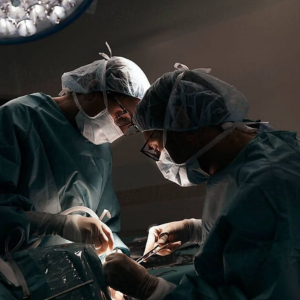
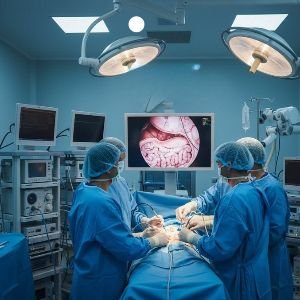
Laparoscopic and minimally invasive surgery uses small incisions and specialized instruments to perform certain surgical procedures with less disruption to surrounding tissues compared with traditional open surgery. A small camera called a laparoscope allows the surgeon to view the operating area on a monitor and perform the required procedure.
At CareNest Multispeciality Hospital, our surgeons evaluate each patient to determine whether a minimally invasive approach is suitable. This technique may be used for selected procedures involving the abdomen and digestive system, including certain gallbladder, hernia and appendix surgeries.Depending on the procedure and the patient's health, minimally invasive surgery may offer benefits such as smaller incisions, less post-operative discomfort and potentially faster recovery.
However, the benefits and recovery time vary from person to person, and open surgery may sometimes be more appropriate.Our surgical team explains the procedure, preparation, expected recovery and available treatment options before surgery.
CareNest focuses on safe surgical practices, experienced medical care and personalized treatment, helping patients understand their options and prepare confidently for their surgical journey.

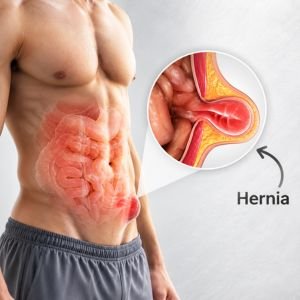
A hernia occurs when an internal tissue or part of an organ pushes through a weakened area of muscle or surrounding tissue. It commonly appears as a swelling or bulge, particularly in the abdomen or groin, and may become more noticeable while standing, coughing or lifting. Some hernias cause discomfort or pain, while others may initially have few symptoms.
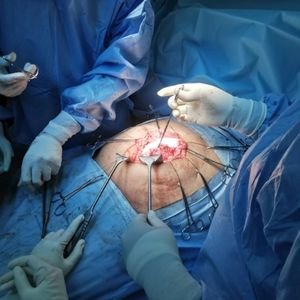
At CareNest Multispeciality Hospital, our surgeons evaluate the type, size and location of the hernia before recommending treatment. Depending on the individual condition, hernia repair may be performed using laparoscopic, minimally invasive or open surgical techniques. During hernia surgery, the surgeon returns the protruding tissue to its appropriate position and repairs the weakened area.
A surgical mesh may be used in selected cases to strengthen the repair. The appropriate technique depends on the patient's condition and medical needs. Our team provides clear information about the procedure, preparation, recovery and follow-up care.
If a hernia causes sudden severe pain, vomiting or a painful swelling that cannot be pushed back, urgent medical assessment is important. CareNest provides experienced surgical care and personalized treatment for patients with hernia concerns.
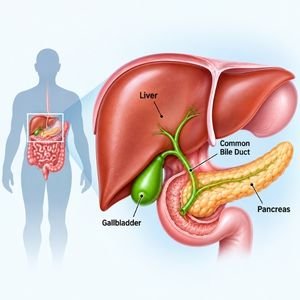
The gallbladder is a small organ that stores bile, which helps the body digest fats. Sometimes, solid particles called gallstones develop inside the gallbladder. Many gallstones do not cause symptoms, but some can lead to pain, inflammation or blockage of the bile ducts.
Common symptoms may include pain in the upper right or upper middle abdomen, particularly after meals, nausea, vomiting or indigestion. When gallstones cause repeated symptoms or complications, surgery may be recommended. At CareNest Multispeciality Hospital, our surgeons evaluate the patient's symptoms, medical history and test results before deciding on appropriate treatment.
When surgery is required, laparoscopic gallbladder removal (laparoscopic cholecystectomy) is commonly used when suitable. The procedure involves removing the gallbladder through small incisions. Our team explains the surgical procedure, preparation, possible risks and recovery process clearly to patients and their families.
The appropriate treatment depends on the patient's condition and overall health. CareNest provides experienced surgical care, careful evaluation and post-operative support to help patients receive appropriate treatment for gallbladder and gallstone-related problems.

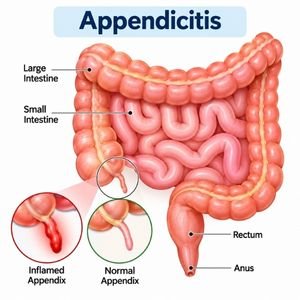
Appendicitis occurs when the appendix becomes inflamed and can cause significant abdominal pain. The pain may begin around the belly button and later move towards the lower right side of the abdomen. Other symptoms can include nausea, vomiting, fever, loss of appetite and abdominal tenderness. Appendicitis can require urgent medical evaluation because an untreated appendix may rupture and cause serious infection.
At CareNest Multispeciality Hospital, patients with suspected appendicitis are assessed promptly by our medical and surgical team. Doctors may use a physical examination, blood tests and imaging studies such as ultrasound or CT when appropriate to confirm the diagnosis. When surgery is required, appendectomy is performed to remove the inflamed appendix.
Depending on the patient's condition, laparoscopic surgery or open surgery may be considered. Laparoscopic surgery uses small incisions and a camera to guide the procedure. Our team provides appropriate medical care before and after surgery, including monitoring, medicines and recovery guidance.
The treatment approach depends on the severity of the condition and the patient's overall health. CareNest focuses on timely evaluation, experienced surgical care and safe, coordinated treatment for patients with appendicitis.

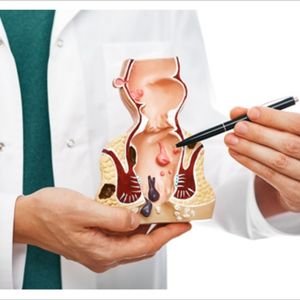
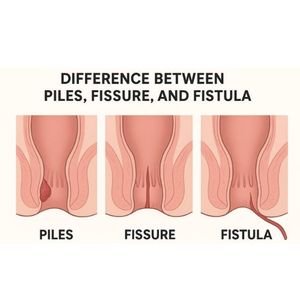
Piles, anal fissures and anal fistulas are common conditions affecting the anus and surrounding area. Piles are swollen blood vessels that may cause bleeding, itching, discomfort or a lump. An anal fissure is a small tear in the lining of the anus that can cause sharp pain, especially during bowel movements. An anal fistula is an abnormal passage between the inside of the anus or rectum the anus, often causing recurring discharge or swelling.
At CareNest Multispeciality Hospital, our doctors carefully evaluate symptoms and the underlying condition before recommending treatment. Many patients may initially benefit from medicines, dietary changes, increased fibre, adequate fluids and other non-surgical measures. When these treatments are not sufficient or when surgery is medically required, appropriate procedures may be considered.
The surgical approach depends on the type and severity of the condition. Our team explains the recommended procedure, preparation, recovery and follow-up care clearly.
CareNest provides confidential, respectful and patient-focused care for anorectal conditions, helping patients receive appropriate treatment in a comfortable environment while maintaining their privacy and dignity.
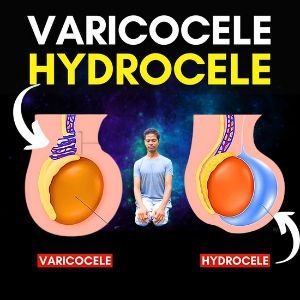
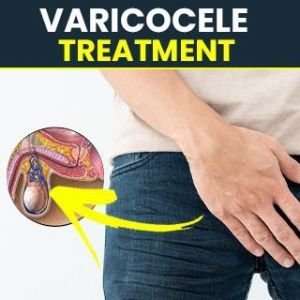
Varicocele and hydrocele are common conditions affecting the scrotum and testicles. A varicocele is an enlargement of the veins around the testicle, which may cause heaviness, discomfort, swelling or sometimes fertility-related concerns. A hydrocele occurs when fluid collects around the testicle, causing swelling or a feeling of heaviness in the scrotum. Some cases may not cause symptoms, while others may gradually become uncomfortable.
At CareNest Multispeciality Hospital, Hyderabad, patients receive a proper evaluation to understand the cause and severity of the condition. The doctor may perform a physical examination and recommend an ultrasound or other tests when required. Treatment depends on the patient's symptoms, age, overall health and medical findings. Mild cases may only need observation, while symptomatic or persistent cases may require a suitable procedure or surgery.
Our team explains the condition and treatment options in simple language so patients and families can make informed decisions. We provide private, respectful and patient-focused care for sensitive men's health concerns, with appropriate follow-up after treatment. If you notice swelling, pain, heaviness or a change in the scrotum, timely medical evaluation can help identify the cause and guide appropriate treatment.
Circumcision Treatment is a commonly performed surgical procedure involving the removal of the foreskin covering the head of the penis. It may be recommended for conditions such as phimosis, recurrent infections, painful foreskin retraction, or other foreskin-related concerns, and may also be chosen for personal, cultural, or religious reasons.
At CareNest Multispeciality Hospital, Hyderabad, patients receive a thorough evaluation to determine whether circumcision is appropriate for their condition. Our specialists assess symptoms, medical history, and overall health before recommending the most suitable treatment approach. The procedure is performed with appropriate surgical care and attention to patient safety and comfort.
Our team provides clear guidance about the procedure, preparation, recovery, and aftercare, helping patients and families make informed decisions. We ensure private, respectful, and patient-focused care throughout the treatment journey, with appropriate follow-up to support a smooth recovery. If you experience tightness of the foreskin, recurring infections, pain, swelling, or difficulty retracting the foreskin, timely medical consultation can help determine the right treatment.
Laparoscopic & Minimally Invasive Surgery
Laparoscopic and minimally invasive surgery uses small incisions and specialized instruments to perform certain surgical procedures with less disruption to surrounding tissues compared with traditional open surgery. A small camera called a laparoscope allows the surgeon to view the operating area on a monitor and perform the required procedure.
At CareNest Multispeciality Hospital, our surgeons evaluate each patient to determine whether a minimally invasive approach is suitable. This technique may be used for selected procedures involving the abdomen and digestive system, including certain gallbladder, hernia and appendix surgeries.Depending on the procedure and the patient's health, minimally invasive surgery may offer benefits such as smaller incisions, less post-operative discomfort and potentially faster recovery.
However, the benefits and recovery time vary from person to person, and open surgery may sometimes be more appropriate.Our surgical team explains the procedure, preparation, expected recovery and available treatment options before surgery.
CareNest focuses on safe surgical practices, experienced medical care and personalized treatment, helping patients understand their options and prepare confidently for their surgical journey.
Hernia Surgery
A hernia occurs when an internal tissue or part of an organ pushes through a weakened area of muscle or surrounding tissue. It commonly appears as a swelling or bulge, particularly in the abdomen or groin, and may become more noticeable while standing, coughing or lifting. Some hernias cause discomfort or pain, while others may initially have few symptoms.
At CareNest Multispeciality Hospital, our surgeons evaluate the type, size and location of the hernia before recommending treatment. Depending on the individual condition, hernia repair may be performed using laparoscopic, minimally invasive or open surgical techniques. During hernia surgery, the surgeon returns the protruding tissue to its appropriate position and repairs the weakened area.
A surgical mesh may be used in selected cases to strengthen the repair. The appropriate technique depends on the patient's condition and medical needs. Our team provides clear information about the procedure, preparation, recovery and follow-up care.
If a hernia causes sudden severe pain, vomiting or a painful swelling that cannot be pushed back, urgent medical assessment is important. CareNest provides experienced surgical care and personalized treatment for patients with hernia concerns.
Gallbladder & Gallstone Surgery
The gallbladder is a small organ that stores bile, which helps the body digest fats. Sometimes, solid particles called gallstones develop inside the gallbladder. Many gallstones do not cause symptoms, but some can lead to pain, inflammation or blockage of the bile ducts.
Common symptoms may include pain in the upper right or upper middle abdomen, particularly after meals, nausea, vomiting or indigestion. When gallstones cause repeated symptoms or complications, surgery may be recommended. At CareNest Multispeciality Hospital, our surgeons evaluate the patient's symptoms, medical history and test results before deciding on appropriate treatment.
When surgery is required, laparoscopic gallbladder removal (laparoscopic cholecystectomy) is commonly used when suitable. The procedure involves removing the gallbladder through small incisions. Our team explains the surgical procedure, preparation, possible risks and recovery process clearly to patients and their families.
The appropriate treatment depends on the patient's condition and overall health. CareNest provides experienced surgical care, careful evaluation and post-operative support to help patients receive appropriate treatment for gallbladder and gallstone-related problems.
Appendix (Appendicitis) Surgery
Appendicitis occurs when the appendix becomes inflamed and can cause significant abdominal pain. The pain may begin around the belly button and later move towards the lower right side of the abdomen. Other symptoms can include nausea, vomiting, fever, loss of appetite and abdominal tenderness. Appendicitis can require urgent medical evaluation because an untreated appendix may rupture and cause serious infection.
At CareNest Multispeciality Hospital, patients with suspected appendicitis are assessed promptly by our medical and surgical team. Doctors may use a physical examination, blood tests and imaging studies such as ultrasound or CT when appropriate to confirm the diagnosis. When surgery is required, appendectomy is performed to remove the inflamed appendix.
Depending on the patient's condition, laparoscopic surgery or open surgery may be considered. Laparoscopic surgery uses small incisions and a camera to guide the procedure. Our team provides appropriate medical care before and after surgery, including monitoring, medicines and recovery guidance.
The treatment approach depends on the severity of the condition and the patient's overall health. CareNest focuses on timely evaluation, experienced surgical care and safe, coordinated treatment for patients with appendicitis.
Piles, Fissure & Fistula Surgery
Piles, anal fissures and anal fistulas are common conditions affecting the anus and surrounding area. Piles are swollen blood vessels that may cause bleeding, itching, discomfort or a lump. An anal fissure is a small tear in the lining of the anus that can cause sharp pain, especially during bowel movements. An anal fistula is an abnormal passage between the inside of the anus or rectum and the skin around the anus, often causing recurring discharge or swelling.
At CareNest Multispeciality Hospital, our doctors carefully evaluate symptoms and the underlying condition before recommending treatment. Many patients may initially benefit from medicines, dietary changes, increased fibre, adequate fluids and other non-surgical measures. When these treatments are not sufficient or when surgery is medically required, appropriate procedures may be considered.
The surgical approach depends on the type and severity of the condition. Our team explains the recommended procedure, preparation, recovery and follow-up care clearly.
CareNest provides confidential, respectful and patient-focused care for anorectal conditions, helping patients receive appropriate treatment in a comfortable environment while maintaining their privacy and dignity.
Varicocele and Hydrocele Treatment
Varicocele and hydrocele are common conditions affecting the scrotum and testicles. A varicocele is an enlargement of the veins around the testicle, which may cause heaviness, discomfort, swelling or sometimes fertility-related concerns. A hydrocele occurs when fluid collects around the testicle, causing swelling or a feeling of heaviness in the scrotum. Some cases may not cause symptoms, while others may gradually become uncomfortable.
At CareNest Multispeciality Hospital, Hyderabad, patients receive a proper evaluation to understand the cause and severity of the condition. The doctor may perform a physical examination and recommend an ultrasound or other tests when required. Treatment depends on the patient's symptoms, age, overall health and medical findings. Mild cases may only need observation, while symptomatic or persistent cases may require a suitable procedure or surgery.
Our team explains the condition and treatment options in simple language so patients and families can make informed decisions. We provide private, respectful and patient-focused care for sensitive men's health concerns, with appropriate follow-up after treatment. If you notice swelling, pain, heaviness or a change in the scrotum, timely medical evaluation can help identify the cause and guide appropriate treatment.
Circumcision
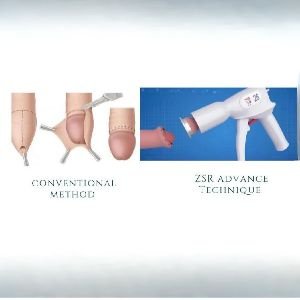
Circumcision Treatment is a commonly performed surgical procedure involving the removal of the foreskin covering the head of the penis. It may be recommended for conditions such as phimosis, recurrent infections, painful foreskin retraction, or other foreskin-related concerns, and may also be chosen for personal, cultural, or religious reasons.
At CareNest Multispeciality Hospital, Hyderabad, patients receive a thorough evaluation to determine whether circumcision is appropriate for their condition. Our specialists assess symptoms, medical history, and overall health before recommending the most suitable treatment approach. The procedure is performed with appropriate surgical care and attention to patient safety and comfort.
Our team provides clear guidance about the procedure, preparation, recovery, and aftercare, helping patients and families make informed decisions. We ensure private, respectful, and patient-focused care throughout the treatment journey, with appropriate follow-up to support a smooth recovery. If you experience tightness of the foreskin, recurring infections, pain, swelling, or difficulty retracting the foreskin, timely medical consultation can help determine the right treatment.
Frequently Asked Questions
Everything you need to know about Carenest Multispeciality Hospital and our healthcare services.
01. Where can I consult a general surgeon in Gachibowli?
Contact CareNest Multispeciality Hospital to confirm general surgery consultations, available specialists and appointment timings.
02. What conditions may require general surgery?
General surgeons assess conditions such as hernias, appendicitis, gallbladder problems and selected anorectal conditions.
03. What is laparoscopic surgery?
Laparoscopic surgery uses small incisions and a camera to perform certain operations. Suitability depends on the condition and the surgeon's assessment.
04. Do all hernias require surgery?
Not every hernia requires immediate surgery. A surgeon evaluates its type, symptoms and potential risks before recommending management.
05. When should I seek urgent care for abdominal pain?
Sudden or severe abdominal pain, persistent vomiting, fainting or a painful abdominal lump requires prompt medical assessment.