
Intensive Care Unit (ICU)
Intensive Care Unit (ICU)
The Intensive Care Unit (ICU) at CareNest Multispeciality Hospital provides specialized medical care for patients who require close monitoring and advanced support. Our 10-bed ICU is supported by experienced doctors, trained critical-care professionals and dedicated medical staff who provide continuous care based on each patient's condition. The ICU may care for patients with serious illnesses, severe infections, breathing difficulties, accidents and trauma, critical medical conditions, or those recovering after major surgery.
Our critical-care services include Non-Invasive Ventilation (NIV), Ventilator Respiratory Support, Multidisciplinary Critical Care, and 24/7 ICU Monitoring & Management. Patients are closely monitored using appropriate medical equipment, while doctors and healthcare professionals work together to provide timely treatment and support.
At CareNest, we focus on patient safety, continuous monitoring, timely medical intervention and compassionate critical care, helping patients receive the specialized support they need during serious medical situations.

Non-Invasive Ventilation (NIV) is a form of breathing support that helps patients breathe more effectively without placing a breathing tube into the windpipe. NIV is delivered through a specially fitted mask connected to a ventilator that supports breathing and helps improve the movement of air into and out of the lungs. Common types include CPAP and BiPAP, depending on the patient's condition.
At CareNest Multispeciality Hospital, NIV may be used for selected patients experiencing significant breathing difficulties or certain respiratory conditions. It may be considered for conditions such as chronic lung disease, some cases of respiratory failure, sleep-related breathing problems and other situations where additional breathing support is medically appropriate. Before starting NIV, our experienced doctors assess the patient's breathing, oxygen levels and overall condition to determine whether this type of support is suitable.
During treatment, patients are closely monitored to assess their response and make necessary adjustments. NIV can sometimes help improve breathing and may reduce the need for invasive ventilation in appropriately selected patients, although it is not suitable for everyone.
Some patients may require intubation or other advanced respiratory support if their condition worsens. CareNest provides continuous monitoring, experienced medical supervision and supportive critical care for patients receiving NIV, with treatment decisions based on each patient's individual condition.


Ventilator Respiratory Support is an advanced form of breathing assistance provided to patients who are unable to breathe sufficiently on their own. A mechanical ventilator helps support breathing by delivering oxygen-rich air to the lungs and helping remove carbon dioxide from the body. This type of support may be required during severe respiratory illness, serious infections, major accidents, certain neurological conditions, after major surgery or other critical medical situations.
At CareNest Multispeciality Hospital, ventilator support is provided in our 10-bed ICU under the supervision of experienced doctors, critical-care specialists and trained medical staff. When invasive ventilation is medically necessary, a breathing tube may be placed into the patient's airway and connected to the ventilator. The ventilator settings are carefully adjusted according to the patient's condition and breathing requirements. Patients receiving ventilator support require close and continuous monitoring.
Our ICU team regularly checks oxygen levels, breathing, heart rate, blood pressure and other important health parameters while treating the underlying medical condition. Other medicines, procedures or supportive treatments may be provided as required.The duration of ventilator support varies depending on the patient's illness and response to treatment.
As the patient's condition improves, doctors assess whether breathing support can be gradually reduced and safely stopped. At CareNest, our focus is on 24/7 monitoring, timely intervention, experienced critical-care support and coordinated treatment to provide appropriate respiratory care for seriously ill patients.
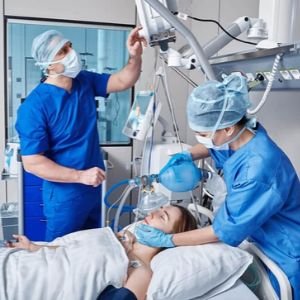

Multidisciplinary critical care means providing coordinated treatment for seriously ill patients with support from doctors and healthcare professionals across different medical specialties. Critically ill patients may have more than one health problem at the same time, so coordinated medical care can be important for understanding their condition and managing different aspects of their treatment.
At CareNest Multispeciality Hospital, our critical-care team works together with relevant specialists according to each patient's medical needs. Depending on the condition, care may involve specialists from areas such as General Medicine, Pulmonology, Neurology or Neurosurgery, Orthopaedics, General Surgery and other specialties. Patients in critical care may require close monitoring of blood pressure, heart rate, oxygen levels, breathing, urine output and other important health parameters.
The medical team reviews these factors regularly and adjusts treatment according to the patient's response.Multidisciplinary care can be particularly important for patients with serious infections, breathing problems, accidents and trauma, complex medical conditions or those recovering after major surgery.
Treatment may include medicines, respiratory support, procedures, nutritional support and rehabilitation planning when appropriate. At CareNest, our approach focuses on team-based medical care, continuous assessment and clear communication with families. By bringing relevant medical expertise together, our team aims to provide coordinated and personalized critical care based on each patient's condition and treatment requirements.


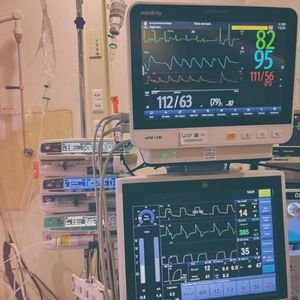
Patients in the Intensive Care Unit may require continuous observation because their health condition can change quickly. 24/7 ICU monitoring and management provides ongoing assessment of important vital signs and helps the medical team identify changes that may require timely intervention.
At CareNest Multispeciality Hospital, our 10-bed ICU is supported by experienced doctors, trained healthcare professionals and dedicated medical staff. Patients may be monitored for parameters such as heart rate, blood pressure, oxygen saturation, breathing and other important clinical indicators based on their condition. The medical team reviews these findings and provides appropriate treatment and support.
ICU care may be required for patients with serious infections, breathing difficulties, critical medical conditions, major injuries, accidents, complications after surgery or other situations requiring intensive medical supervision. Depending on the patient's needs, treatment may include medicines, oxygen or respiratory support, fluid management, procedures and other critical-care interventions.
Our ICU team works closely with specialists from different departments when additional expertise is required. Families are also provided with appropriate updates regarding the patient's condition and treatment plan. At CareNest, our focus is on continuous monitoring, timely response, coordinated treatment and patient safety. Every patient's care plan is based on their medical condition, response to treatment and individual critical-care requirements.
Non-Invasive Ventilation (NIV)
Non-Invasive Ventilation (NIV) is a form of breathing support that helps patients breathe more effectively without placing a breathing tube into the windpipe. NIV is delivered through a specially fitted mask connected to a ventilator that supports breathing and helps improve the movement of air into and out of the lungs. Common types include CPAP and BiPAP, depending on the patient's condition.
At CareNest Multispeciality Hospital, NIV may be used for selected patients experiencing significant breathing difficulties or certain respiratory conditions. It may be considered for conditions such as chronic lung disease, some cases of respiratory failure, sleep-related breathing problems and other situations where additional breathing support is medically appropriate. Before starting NIV, our experienced doctors assess the patient's breathing, oxygen levels and overall condition to determine whether this type of support is suitable.
During treatment, patients are closely monitored to assess their response and make necessary adjustments. NIV can sometimes help improve breathing and may reduce the need for invasive ventilation in appropriately selected patients, although it is not suitable for everyone.
Some patients may require intubation or other advanced respiratory support if their condition worsens. CareNest provides continuous monitoring, experienced medical supervision and supportive critical care for patients receiving NIV, with treatment decisions based on each patient's individual condition.
Ventilator Respiratory Support
Ventilator Respiratory Support is an advanced form of breathing assistance provided to patients who are unable to breathe sufficiently on their own. A mechanical ventilator helps support breathing by delivering oxygen-rich air to the lungs and helping remove carbon dioxide from the body. This type of support may be required during severe respiratory illness, serious infections, major accidents, certain neurological conditions, after major surgery or other critical medical situations.
At CareNest Multispeciality Hospital, ventilator support is provided in our 10-bed ICU under the supervision of experienced doctors, critical-care specialists and trained medical staff. When invasive ventilation is medically necessary, a breathing tube may be placed into the patient's airway and connected to the ventilator. The ventilator settings are carefully adjusted according to the patient's condition and breathing requirements. Patients receiving ventilator support require close and continuous monitoring.
Our ICU team regularly checks oxygen levels, breathing, heart rate, blood pressure and other important health parameters while treating the underlying medical condition. Other medicines, procedures or supportive treatments may be provided as required.The duration of ventilator support varies depending on the patient's illness and response to treatment.
As the patient's condition improves, doctors assess whether breathing support can be gradually reduced and safely stopped. At CareNest, our focus is on 24/7 monitoring, timely intervention, experienced critical-care support and coordinated treatment to provide appropriate respiratory care for seriously ill patients.
Multidisciplinary Critical Care
Multidisciplinary critical care means providing coordinated treatment for seriously ill patients with support from doctors and healthcare professionals across different medical specialties. Critically ill patients may have more than one health problem at the same time, so coordinated medical care can be important for understanding their condition and managing different aspects of their treatment.
At CareNest Multispeciality Hospital, our critical-care team works together with relevant specialists according to each patient's medical needs. Depending on the condition, care may involve specialists from areas such as General Medicine, Pulmonology, Neurology or Neurosurgery, Orthopaedics, General Surgery and other specialties. Patients in critical care may require close monitoring of blood pressure, heart rate, oxygen levels, breathing, urine output and other important health parameters.
The medical team reviews these factors regularly and adjusts treatment according to the patient's response.Multidisciplinary care can be particularly important for patients with serious infections, breathing problems, accidents and trauma, complex medical conditions or those recovering after major surgery.
Treatment may include medicines, respiratory support, procedures, nutritional support and rehabilitation planning when appropriate. At CareNest, our approach focuses on team-based medical care, continuous assessment and clear communication with families. By bringing relevant medical expertise together, our team aims to provide coordinated and personalized critical care based on each patient's condition and treatment requirements.
24/7 ICU Monitoring & Management
Patients in the Intensive Care Unit may require continuous observation because their health condition can change quickly. 24/7 ICU monitoring and management provides ongoing assessment of important vital signs and helps the medical team identify changes that may require timely intervention.
At CareNest Multispeciality Hospital, our 10-bed ICU is supported by experienced doctors, trained healthcare professionals and dedicated medical staff. Patients may be monitored for parameters such as heart rate, blood pressure, oxygen saturation, breathing and other important clinical indicators based on their condition. The medical team reviews these findings and provides appropriate treatment and support.
ICU care may be required for patients with serious infections, breathing difficulties, critical medical conditions, major injuries, accidents, complications after surgery or other situations requiring intensive medical supervision. Depending on the patient's needs, treatment may include medicines, oxygen or respiratory support, fluid management, procedures and other critical-care interventions.
Our ICU team works closely with specialists from different departments when additional expertise is required. Families are also provided with appropriate updates regarding the patient's condition and treatment plan. At CareNest, our focus is on continuous monitoring, timely response, coordinated treatment and patient safety. Every patient's care plan is based on their medical condition, response to treatment and individual critical-care requirements.
Frequently Asked Questions
Everything you need to know about Carenest Multispeciality Hospital and our healthcare services.
01. What is an Intensive Care Unit (ICU)?
An ICU provides close monitoring and specialised medical support for patients with serious or potentially life-threatening conditions.
02. When might a patient need ICU care?
ICU care may be needed when a patient requires intensive monitoring or advanced support for breathing, circulation or other serious medical problems.
03. What is ventilator support?
Ventilator support helps a patient breathe when they cannot maintain adequate breathing independently. The treating team determines when it is necessary.
04. What is non-invasive ventilation (NIV)?
NIV supports breathing through a mask rather than a breathing tube. It is suitable for selected patients under medical supervision.
05. How can I confirm ICU bed availability at CareNest?
Contact the hospital directly to confirm current ICU facilities, bed availability and admission arrangements.