
Neuro surgery
Neurosurgery Treatment
Neurosurgery is a specialized branch of medicine that focuses on the diagnosis and surgical treatment of conditions affecting the brain, spinal cord, nerves and related structures. Patients may need neurosurgical evaluation for conditions such as brain tumors, spine problems, head injuries, hydrocephalus, nerve compression and other neurological conditions.
At CareNest Multispeciality Hospital, our experienced neurosurgical team provides careful evaluation and personalized treatment based on each patient's condition. Appropriate investigations such as MRI or CT scans may be recommended to understand the problem and plan treatment. Surgery is considered when it is medically appropriate, while some conditions may be managed with non-surgical treatment and monitoring.
Our neurosurgery services include Brain Tumor Surgery, Spine Surgery & Treatment, Head Injury & Trauma Surgery, Hydrocephalus & CSF Disorders Treatment, and Brain & Spinal Cord Surgery. CareNest focuses on patient safety, experienced medical care, clear communication and coordinated support throughout diagnosis, treatment and recovery.

Brain tumor surgery is a procedure used to remove or manage an abnormal growth in the brain when surgery is considered appropriate. Brain tumors can be benign or cancerous, and their symptoms can vary depending on their size, location and type. Some patients may experience headaches, seizures, vision changes, weakness, balance problems or changes in speech.
At CareNest Multispeciality Hospital, our neurosurgical team carefully evaluates patients using medical history, neurological examination and appropriate imaging such as MRI or CT scans. Based on the tumor's location, size and characteristics, doctors determine whether surgery is appropriate and discuss the available treatment options.
When surgery is recommended, the goal may be to remove as much of the tumor as safely possible, obtain tissue for diagnosis, or relieve pressure on the brain. Treatment and recovery vary from patient to patient. CareNest provides experienced medical care, careful surgical planning and coordinated postoperative support to help patients and families understand the treatment process.
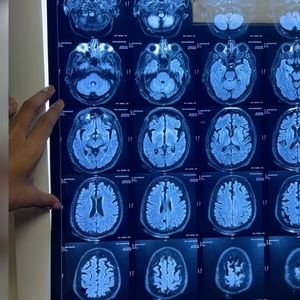
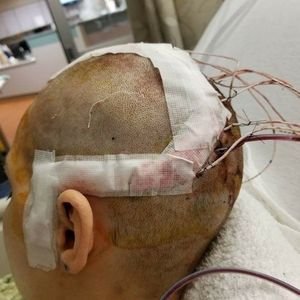
Spine surgery and treatment focuses on conditions affecting the bones, discs, nerves and other structures of the spine. Common problems include slipped or herniated discs, spinal stenosis, nerve compression, spinal injuries and persistent back or neck problems. Symptoms may include pain, numbness, tingling, weakness or difficulty with movement.
At CareNest Multispeciality Hospital, our neurosurgical team evaluates each patient's symptoms, medical history and neurological condition. Imaging such as MRI or CT scans may be recommended when needed to understand the problem and guide treatment. Not every spine condition requires surgery. Depending on the cause and severity, treatment may include medicines, physical therapy, activity guidance or other non-surgical approaches.
Surgery may be considered when symptoms are severe, persistent or when there is significant nerve or spinal cord compression. When surgery is required, our team carefully plans treatment according to the patient's condition. CareNest focuses on personalized treatment, patient safety and supportive recovery care for patients with spine-related conditions.

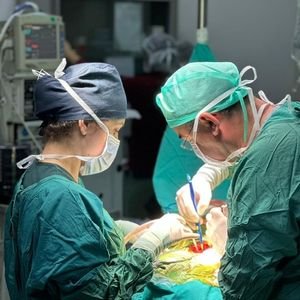
Head injuries can occur due to road accidents, falls, sports injuries or other trauma and may sometimes require urgent medical attention. Depending on the severity, a head injury can affect the brain, skull or surrounding tissues. Symptoms may include headache, vomiting, dizziness, confusion, loss of consciousness, seizures or weakness.
At CareNest Multispeciality Hospital, patients with head injuries are assessed promptly by the emergency and neurosurgical teams. Doctors may perform a neurological examination and recommend CT or other imaging tests to identify bleeding, swelling, skull fractures or other injuries. Some head injuries can be managed with observation and medical treatment, while serious injuries may require surgery.
Neurosurgical procedures may be considered to control bleeding, relieve pressure on the brain, repair certain skull injuries or address other complications.
Our experienced doctors and critical-care team work together to monitor patients and provide appropriate treatment based on the severity of the injury. CareNest provides coordinated emergency, neurosurgical and ICU support when required, with a focus on timely assessment, patient safety and recovery.

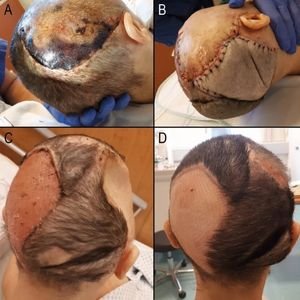
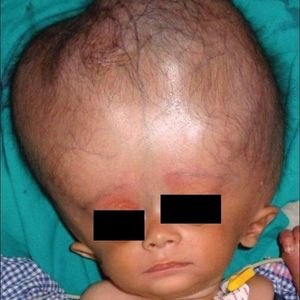
Hydrocephalus is a condition in which excess cerebrospinal fluid (CSF) builds up inside the brain, which can increase pressure and affect normal brain function. CSF normally surrounds and protects the brain and spinal cord. Problems with its production, flow or absorption can sometimes lead to fluid accumulation. Symptoms can vary depending on the patient's age and the cause.
They may include headaches, nausea, vomiting, balance problems, difficulty walking, vision changes, memory problems or changes in alertness. At CareNest Multispeciality Hospital, our neurosurgical team evaluates patients through medical history, neurological examination and appropriate brain imaging. The treatment depends on the cause, severity and overall condition of the patient.
Some patients may require monitoring and medical management, while others may need a procedure to improve CSF drainage. Surgical options may include shunt procedures or endoscopic treatment, when medically appropriate.
Our team explains the condition and treatment options clearly to patients and families. CareNest focuses on careful evaluation, personalized treatment and appropriate postoperative monitoring for patients with hydrocephalus and other CSF-related disorders.

Brain and spinal cord surgery involves procedures used to diagnose or treat conditions affecting the brain, spinal cord and surrounding structures. These may include tumors, pressure on the brain or spinal cord, certain traumatic injuries, fluid-related disorders and other neurological conditions that may require surgical treatment.
At CareNest Multispeciality Hospital, our neurosurgical team first evaluates the patient's symptoms, medical history and neurological condition. Depending on the problem, investigations such as MRI or CT scans may be recommended to understand the condition and plan appropriate treatment. Surgery is considered only when it is medically appropriate.
The type of procedure depends on the location and nature of the condition, the patient's overall health and the expected benefits and risks. Some patients may require minimally invasive techniques, while others may need more complex neurosurgical procedures.
Our experienced doctors work with critical-care and other specialist teams when required to provide coordinated care before and after surgery. CareNest focuses on careful surgical planning, patient safety, clear communication and supportive recovery care for patients undergoing brain or spinal cord procedures.
Brain Tumor Surgery
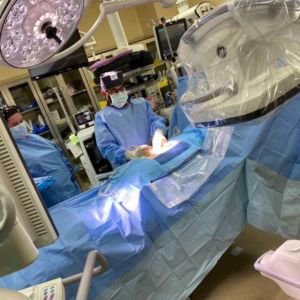
Brain tumor surgery is a procedure used to remove or manage an abnormal growth in the brain when surgery is considered appropriate. Brain tumors can be benign or cancerous, and their symptoms can vary depending on their size, location and type. Some patients may experience headaches, seizures, vision changes, weakness, balance problems or changes in speech.
At CareNest Multispeciality Hospital, our neurosurgical team carefully evaluates patients using medical history, neurological examination and appropriate imaging such as MRI or CT scans. Based on the tumor's location, size and characteristics, doctors determine whether surgery is appropriate and discuss the available treatment options.
When surgery is recommended, the goal may be to remove as much of the tumor as safely possible, obtain tissue for diagnosis, or relieve pressure on the brain. Treatment and recovery vary from patient to patient. CareNest provides experienced medical care, careful surgical planning and coordinated postoperative support to help patients and families understand the treatment process.
Spine Surgery & Treatment
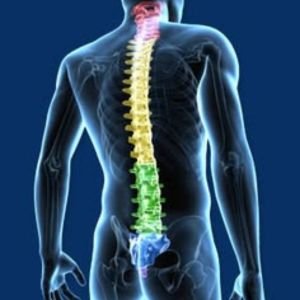
Spine surgery and treatment focuses on conditions affecting the bones, discs, nerves and other structures of the spine. Common problems include slipped or herniated discs, spinal stenosis, nerve compression, spinal injuries and persistent back or neck problems. Symptoms may include pain, numbness, tingling, weakness or difficulty with movement.
At CareNest Multispeciality Hospital, our neurosurgical team evaluates each patient's symptoms, medical history and neurological condition. Imaging such as MRI or CT scans may be recommended when needed to understand the problem and guide treatment. Not every spine condition requires surgery. Depending on the cause and severity, treatment may include medicines, physical therapy, activity guidance or other non-surgical approaches.
Surgery may be considered when symptoms are severe, persistent or when there is significant nerve or spinal cord compression. When surgery is required, our team carefully plans treatment according to the patient's condition. CareNest focuses on personalized treatment, patient safety and supportive recovery care for patients with spine-related conditions.
Head Injury & Trauma Surgery
Head injuries can occur due to road accidents, falls, sports injuries or other trauma and may sometimes require urgent medical attention. Depending on the severity, a head injury can affect the brain, skull or surrounding tissues. Symptoms may include headache, vomiting, dizziness, confusion, loss of consciousness, seizures or weakness.
At CareNest Multispeciality Hospital, patients with head injuries are assessed promptly by the emergency and neurosurgical teams. Doctors may perform a neurological examination and recommend CT or other imaging tests to identify bleeding, swelling, skull fractures or other injuries. Some head injuries can be managed with observation and medical treatment, while serious injuries may require surgery.
Neurosurgical procedures may be considered to control bleeding, relieve pressure on the brain, repair certain skull injuries or address other complications.
Our experienced doctors and critical-care team work together to monitor patients and provide appropriate treatment based on the severity of the injury. CareNest provides coordinated emergency, neurosurgical and ICU support when required, with a focus on timely assessment, patient safety and recovery.
Hydrocephalus & CSF Disorders Treatment
Hydrocephalus is a condition in which excess cerebrospinal fluid (CSF) builds up inside the brain, which can increase pressure and affect normal brain function. CSF normally surrounds and protects the brain and spinal cord. Problems with its production, flow or absorption can sometimes lead to fluid accumulation. Symptoms can vary depending on the patient's age and the cause.
They may include headaches, nausea, vomiting, balance problems, difficulty walking, vision changes, memory problems or changes in alertness. At CareNest Multispeciality Hospital, our neurosurgical team evaluates patients through medical history, neurological examination and appropriate brain imaging. The treatment depends on the cause, severity and overall condition of the patient.
Some patients may require monitoring and medical management, while others may need a procedure to improve CSF drainage. Surgical options may include shunt procedures or endoscopic treatment, when medically appropriate.
Our team explains the condition and treatment options clearly to patients and families. CareNest focuses on careful evaluation, personalized treatment and appropriate postoperative monitoring for patients with hydrocephalus and other CSF-related disorders.
Brain & Spinal Cord Surgery
Brain and spinal cord surgery involves procedures used to diagnose or treat conditions affecting the brain, spinal cord and surrounding structures. These may include tumors, pressure on the brain or spinal cord, certain traumatic injuries, fluid-related disorders and other neurological conditions that may require surgical treatment.
At CareNest Multispeciality Hospital, our neurosurgical team first evaluates the patient's symptoms, medical history and neurological condition. Depending on the problem, investigations such as MRI or CT scans may be recommended to understand the condition and plan appropriate treatment. Surgery is considered only when it is medically appropriate.
The type of procedure depends on the location and nature of the condition, the patient's overall health and the expected benefits and risks. Some patients may require minimally invasive techniques, while others may need more complex neurosurgical procedures.
Our experienced doctors work with critical-care and other specialist teams when required to provide coordinated care before and after surgery. CareNest focuses on careful surgical planning, patient safety, clear communication and supportive recovery care for patients undergoing brain or spinal cord procedures.

Frequently Asked Questions
Everything you need to know about Carenest Multispeciality Hospital and our healthcare services.
01. What does a neurosurgeon treat?
Neurosurgeons assess selected conditions affecting the brain, spine, spinal cord and nervous system that may require surgical treatment.
02. When might brain surgery be considered?
Brain surgery may be considered for certain tumours, bleeding, injuries or other conditions after specialist assessment and appropriate investigations.
03. Can spine problems require neurosurgical treatment?
Some spinal conditions may require neurosurgical evaluation. Treatment depends on the diagnosis, symptoms and examination findings.
04. What symptoms after a head injury require urgent care?
Loss of consciousness, seizures, confusion, repeated vomiting, new weakness or a worsening headache require urgent medical assessment.
05. How can I arrange a neurosurgery consultation at CareNest?
Contact the hospital to confirm neurosurgeon availability, appointment timings and the medical records needed for consultation.